
Monday, 20 February 2017

Sunday, 19 February 2017

Beyond Tired: Is Your Ulcerative Colitis
Causing Fatigue?
By Katie Kerns Geer Reviewed by Rosalyn Carson-DeWitt, MD
Brain fog, zombie mode, hitting a brick wall — real-life
patients and an expert explain what it’s like to live with
ulcerative colitis fatigue. And they suggest how you can
fight back.
 Thinkstock
Before Abby Bales had surgery for ulcerative colitis, she
couldn’t make it through the day without a nap. But Bales
was more than just tired — she was experiencing fatigue,
a common symptom of ulcerative colitis that drains energy
and causes an overwhelming sense of exhaustion.
Before Abby Bales had surgery for ulcerative colitis, she couldn’t make
it through the day without a nap. But Bales was more than just tired — she
was experiencing fatigue, a common symptom of ulcerative colitis that
drains energy and causes an overwhelming sense of exhaustion.
“When I was flaring, and for the last year before surgery, the fatigue was
“When I was flaring, and for the last year before surgery, the fatigue was
absolutely unreal,” says Bales, a doctor of physical therapy in New York
City and author of the blog Run Stronger Every Day. “I required a nap in
the middle of the day just to make it to the end of the day.”
Like Bales, nearly 75 percent of people with an inflammatory bowel
Like Bales, nearly 75 percent of people with an inflammatory bowel
disease (IBD) such as ulcerative colitis experience fatigue when their
condition is flaring, according to a study published in 2011 in the journal
Inflammatory Bowel Diseases. What’s more, 30 percent of the people
in this study who were in remission — meaning that they weren’t
experiencing other symptoms of ulcerative colitis — also qualified
as having fatigue.
“Fatigue is not a universal symptom of ulcerative colitis, but it’s a c
“Fatigue is not a universal symptom of ulcerative colitis, but it’s a c
ommon one,” says William Katkov, MD, a gastroenterologist at
Providence Saint John's Health Center in Santa Monica, California.
“The important point is that fatigue should be addressed by both the
patient and the treating physician.”
If you’re living with ulcerative colitis and you're experiencing
If you’re living with ulcerative colitis and you're experiencing
fatigue, it may feel as if you’ll never get your energy back. But by
tightening control of your condition and making some healthy lifestyle
changes, you can manage your fatigue. Start here.
What Fatigue Feels Like
Fatigue is beyond just a passing feeling of being tired, explains Dr. Katkov.
What Fatigue Feels Like
Fatigue is beyond just a passing feeling of being tired, explains Dr. Katkov.
“People with ulcerative colitis can experience malaise, a profound kind of
fatigue that makes it difficult to carry out normal activities.”
Tina Haupert, who was diagnosed with ulcerative colitis in 2011, agrees.
Tina Haupert, who was diagnosed with ulcerative colitis in 2011, agrees.
“I'm pretty much always tired,” she says. “But I do my best to eat well and
exercise, which seems to help.”
One of the most frustrating aspects of ulcerative colitis fatigue is its
One of the most frustrating aspects of ulcerative colitis fatigue is its
unpredictable nature. From 2010 to 2014, the British organization Crohn’s
and Colitis UK assessed more than 500 people with IBDs to learn more
about their fatigue. Many participants complained that it would come on
suddenly, without warning, and vary from day to day. They also said that
this type of fatigue — which they described with the terms “brain fog,”
“completely wiped out,” and “zombie mode” — had a negative effect
on their quality of life. It affected their memory and concentration, made
it harder for them to exercise or attend social activities, and interfered
with their relationships and ability to work. And it often took a hefty
emotional toll, lowering their confidence or leading to depression.
Ensuring that fatigue doesn’t interfere with the quality of life, the ability
Ensuring that fatigue doesn’t interfere with the quality of life, the ability
to work, and the capacity to have a normal social life is central to the goal
of treating a chronic condition like ulcerative colitis, Katkov notes. “We
don’t want to settle for a lower quality of life than what can be achieved
with aggressive treatment,” he says.
What Causes Ulcerative Colitis Fatigue?
While people with ulcerative colitis may experience fatigue for a number
What Causes Ulcerative Colitis Fatigue?
While people with ulcerative colitis may experience fatigue for a number
of reasons, it may simply be caused by the body’s response to inflammation
in the colon, says Katkov.
In addition, fatigue is sometimes related to anemia, which is a common
In addition, fatigue is sometimes related to anemia, which is a common
complication of ulcerative colitis, caused by blood loss, diarrhea, and
malabsorption of nutrients. Other possible triggers include certain
medications, inadequate sleep, being overweight or underweight, and
pain, according to the findings of the Crohn’s and Colitis UK study.
And don’t rule out the emotions. “With any patient — but especially
And don’t rule out the emotions. “With any patient — but especially
someone with a chronic disease,” Katkov says, “you want to consider their
emotional life, stress, and depression.”
9 Tips for Managing Your Fatigue
The key to easing fatigue is not to ignore it. “Fatigue is a sign that something
requires attention,” Katkov says. Consider the following steps.
Get ulcerative colitis under control with treatment.
Get ulcerative colitis under control with treatment.
Since fatigue is often related to the symptoms and inflammation of ulcerative
colitis, it’s more prevalent when the disease is active. “When ulcerative colitis
is well controlled, a patient is not expected to have fatigue,” Katkov says.
Work with your doctor to find the best treatment approach for your condition.
Rule out other causes of fatigue.
“Go through the full list of diagnostic possibilities,” Katkov says. For
example, if your ulcerative colitis is in remission and you’re still
experiencing fatigue, have your healthcare provider run a blood test to
check for anemia or vitamin deficiencies. Or ask your doctor whether
a medication or a recent stressful situation might be triggering your
tiredness. Says Katkov, “Get to the root of the problem and address it.”
Move more.
It may seem counter intuitive, but exercise has been shown to have a
positive effect on fatigue in people with ulcerative colitis, according to a
2014 review of research in BioMed Research International. Haupert, who’s
a self-proclaimed fitness “nut” and the author of the blog Carrots 'N' Cake,
suggests that you try to do something active every day — “even if it's a
short walk around your neighborhood. Even though I battle fatigue, I
always feel better and more energized after some exercise.”
Try to sleep eight hours a night.
“A growing body of evidence suggests that disordered or inadequate sleep
can significantly impact health,” says Katkov. “And fatigue is central to
that.” As a rule of thumb, the National Sleep Foundation recommends that
adults get seven to nine hours of sleep each night. If tossing and turning at
night is leaving you feeling fatigued the next day, talk to your doctor about
ways to improve your sleep. Also, consider cutting back on caffeine and
removing distracting electronic gadgets from your bedroom.
Eat your vitamins.
There’s no cure-all diet for ulcerative colitis or fatigue, but eating well
certainly plays a role in overall health, says Katkov, who suggests that you
educate yourself about a healthy, balanced diet that's rich in a range of
vitamins.
Plan ahead.
Got a big event on the calendar? “Make sure you have time to rest before
and after,” Bales says. “Stress and lack of sleep don't do anything good
for your immune system.”
Rethink the 9-to-5 day.
“When fatigue is significant, adjustments in work are appropriate and
recommended,” Katkov says. If fatigue is hindering your ability to get
through the workday, consider asking your employer whether he or she
would allow you to work more flexible hours.
Try to reduce stress.
Try to reduce stress.
Practice relaxation techniques (for example, yoga, tai chi, and deep
breathing), and you may find the benefits to be twofold. According to a
review of research in Gastroenterology Research and Practice, easing your
level of tension may lower your risk of an ulcerative colitis flare — and
reducing stress may also help lessen fatigue.
Learn your fatigue triggers.
Everyone’s different, so try to figure out which habits wear you out and
which tend to put a little pep in your step — and act on them accordingly.
Manage your life in a way that works for you,” Bales recommends.
“If that means you work out in the morning and go to bed early in the
evening, that's the way you need to do it.”
Last Updated: 10/29/2015
Source - Everyday Health
Thursday, 16 February 2017
Wednesday, 15 February 2017
Cognitive Behavioral Therapy Seen as Best at Helping IBD Patients Improve Quality of Life

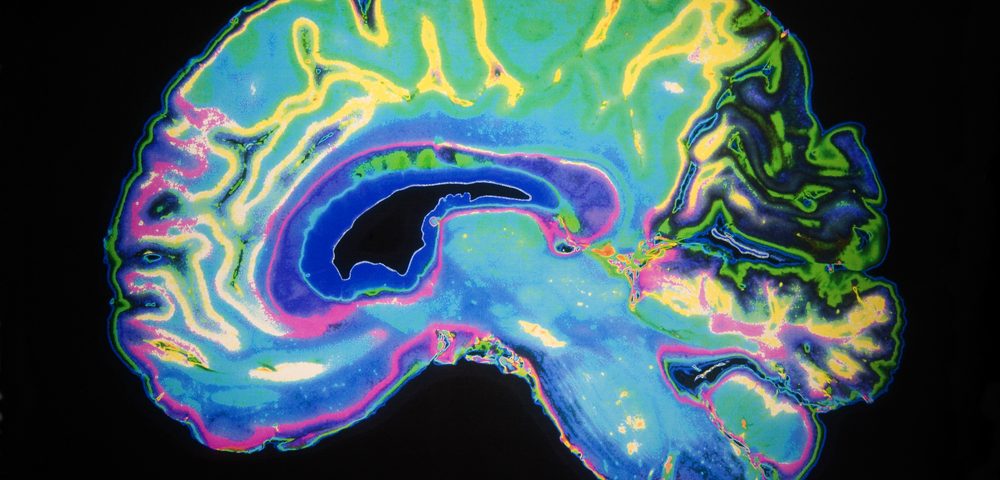
Psychological therapy, especially cognitive behavioral therapy, can help to ease depression and improve quality of life in patients with inflammatory bowel disease (IBD), but generally only for the short term, a study reported.
The study, a systematic review and meta-analysis, is titled “Effect of psychological therapy on disease activity, psychological comorbidity, and quality of life in inflammatory bowel disease: a systematic review and meta-analysis” and was published in The Lancet: Gastroenterology and Hepatology.
For the review, its lead author, Alexander Ford, MD, of the Leeds Gastroenterology Institute, and colleagues revisited relevant literature from 1947 up to Sept. 22, 2016. They included 14 randomized control trials evaluating psychological therapies, reporting outcomes in a total of 1,196 IBD patients.
Psychological therapies were not seen by the researchers to reduce a person’s relative risk of relapse in dormant IBD in comparison to other interventions, but all these therapies were associated with improvements in depression scores and quality of life.
Cognitive behavioral therapy, particularly, showed significant benefits on quality of life.
In one trial, cognitive behavioral therapy was associated with 21 percent of patients with active IBD entering clinical remission, compared to only 4 percent in the control group, after 18 months of follow-up. This therapy aims to change the way people think and behave.
Ford and his colleagues concluded that psychological therapies might provide a short-term aid in improving symptoms of depression and quality of life, but in order to maintain the results, treatment must be continued.
“These effects appear to be lost over time,” Ford and his team said in a press release. “The beneficial effect on quality of life was most notable when we only included randomized clinical trials that used cognitive behavioral therapy, which is thought to have the best evidence for efficacy in management of anxiety and depression.”
The authors add that patients with active IBD are known to carry a high psychological burden, suggesting that this group of patients could particularly benefit from these types of treatment.
“The strong association between depression and anxiety and unfavorable disease course suggests that clinicians should identify people with inflammatory bowel disease who also have substantial problems with anxiety and depression and refer them to appropriate treatment resources,” wrote John R. Walker, PhD, of the University of Manitoba, Canada, in a related editorial. “Attention to psychological functioning is likely to improve treatment outcome and reduce disability in patients with inflammatory bowel disease.”

Source - IBD News Today
Sunday, 12 February 2017
Friday, 10 February 2017
The Body’s Second Brain: How Your Gut Could Be Affecting Your Emotions
We’ve all had that feeling of butterflies in our stomach, or
what can be described as a gut-wrenching feeling, and we always told to follow
our “gut-instinct.”
All these phrases and feelings clearly show that our
emotions are affected by our gut.
We all have a
microbiome, and they are as unique as our neural pathways
The body has more bacteria than cells, which means we are
literally more bug than human. This huge amounts of bacteria is called
microbiome. Most of this bacteria resides in the gut.
The gut doesn’t just help with digestion, it’s a key player
in regulating inflammation and immunity.
A healthy gut is different for different people and it
certainly involves diversity.
The gut as a second
brain.
The gut has a complex system of about 100 million nerves.
This is called the enteric nervous system.
The ENS is called the second brain and arises from the same
tissues as our central nervous system during fetal development. It has many
chemical parallels to the brain.
The gut and the brain communicate a lot and involve
endocrine, immune and neural pathways.
Our emotions play a big
role in our gut health.
Given how closely the gut and brain interact, it has become
clear that emotional and psychosocial factors can trigger symptoms in the gut.
This is especially true in cases when the gut is acting up and there’s no
obvious physical cause.
Mental health impacts
gut wellness
In light of this new understanding, it might be impossible
to heal FGID’s without considering the impact of stress and emotion. Studies
have shown that patients who tried psychologically based approaches had greater
improvement in their symptoms compared with patients who received conventional
medical treatment.
Poor gut health can lead
to neurological and neuropsychiatric disorders
Vice-versa, poor gut health has been implicated in
neurological and neuropsychiatric disorders. Disturbances in gut health have
been linked to multiple sclerosis, autistic spectrum disorders, and Parkinson’s
disease. This is potentially related to pro-inflammatory states elicited by gut
dysbiosis-microbial imbalance on or inside the body. Additional connections
between age-related gut changes and Alzheimer’s disease have also been made.
Further, there is now research that is dubbing depression as
an inflammatory disorder mediated by poor gut health. In fact, multiple animal
studies have shown that manipulating the gut microbiota in some way can produce
behaviors related to anxiety and depression.
Experts on the gut on
Ideapod
Dr Rhea Mehta, the world renowned author and specialist on
nutrition, is on Ideapod sharing ideas about the gut being your second brain.
Check out her user profile and
engage with her ideas.
Subscribe to:
Posts (Atom)