Showing posts with label immune system. Show all posts

Thursday, 2 February 2017

Researchers help the body protect itself against inflammation and colon cancer

January 27, 2017

Researchers help the body protect itself against inflammation and colon cancer
Coy Allen, (left) an assistant professor of inflammatory disease in the Department of Biomedical Sciences and Pathobiology in the Virginia-Maryland College of Veterinary Medicine, and doctoral student Daniel Rothschild prepare reagents to …more

Could inflammatory bowel disease and colon cancer be prevented by changing the shape of a single protein?
                              

There is an intimate link between uncontrolled inflammation in the gut associated with inflammatory and the eventual development of . This uncontrolled inflammation is associated with changes in bacteria populations in the gut, which can invade the mucosal tissue after damage to the protective cellular barrier lining the tissue.

But Virginia Tech researchers found that modifying the shape of IRAK-M, a protein that controls inflammation, can significantly reduce the clinical progression of both diseases in pre-clinical animal models.

The altered protein causes the immune system to become supercharged, clearing out the bacteria before they can do any damage. The team's findings were published in eBioMedicine.

"When we tested mice with the altered IRAK-M protein, they had less inflammation overall, and remarkably less cancer," said Coy Allen, an assistant professor of inflammatory disease in the Department of Biomedical Sciences and Pathobiology in the Virginia-Maryland College of Veterinary Medicine and a Fralin Life Science Institute affiliate.

Researchers help the body protect itself against inflammation and colon cancer
This image is a mouse intestinal organoid, or "mini-gut," used to study epithelial cell barrier function in ongoing inflammatory bowel disease and cancer studies. Photo courtesy of Coy Allen. Credit: Virginia Tech

The next step, he said, will be to evaluate these findings in human patients through ongoing collaborations with Carilion Clinic and Duke University. The team is also evaluating their findings in laboratory-assembled 'mini-guts'—live tissue models that Allen and his team assembled by growing on petri dishes to form highly complex small intestinal and colon tissue.

"Ultimately, if we can design therapeutics to target IRAK-M, we think it could be a viable strategy for preventing inflammatory bowel disease and cancer," said Allen.

Colon cancer is the second leading cause of cancer-related deaths in the United States and the third most common cancer in men and women, according to the Centers for Disease Control and Prevention.

More than ten Virginia Tech faculty members and students are working on the project, including co-principal investigator Liwu Li, a professor of biological sciences in the College of Science; Clay Caswell, an assistant professor of bacteriology in the veterinary college; Rich Helm, an associate professor of biochemistry in the College of Agriculture and Life Sciences; Dan Slade, an assistant professor of biochemistry in the College of Agriculture and Life Sciences; and Tanya LeRoith, a clinical associate professor of anatomic pathology in the veterinary college.

Daniel Rothschild of Nevada City, California, currently in the combined Ph.D./D.V.M program in the veterinary college, is working in Allen's lab, and was first author on the paper.

"Working on this project alongside Dr. Allen and our fellow collaborators has personally been a great experience," said Rothschild. "It's really exciting when your findings have the potential for clinical implications that can be applied to help patients. From a scientist's perspective, that's what it's all about, and hopefully our findings provide a good avenue for development of future therapeutics to treat maladies such as and colon cancer." 

                                                                                                        
More information: Daniel E. Rothschild et al. Enhanced Mucosal Defense and Reduced Tumor Burden in Mice with the Compromised Negative Regulator IRAK-M, EBioMedicine (2017). DOI: 10.1016/j.ebiom.2016.11.039
                                      
Journal reference: EBioMedicine     
                                      
Provided by: Virginia Tech
        

Source - MedicalXpress                                              

Wednesday, 1 February 2017

Surgery for IBD


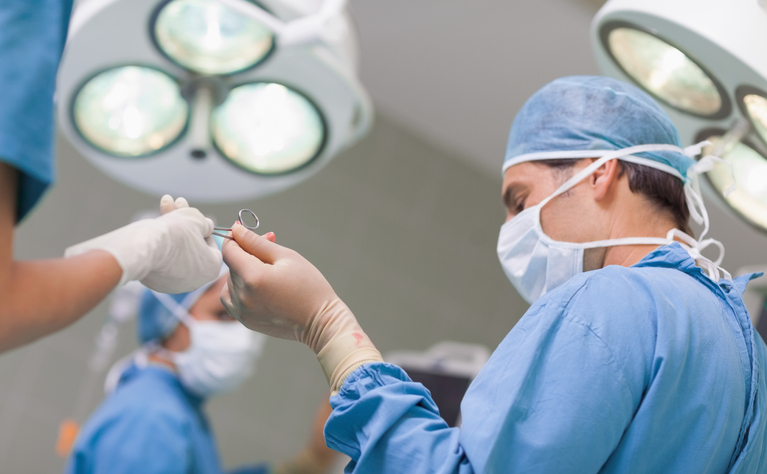
For some people their inflammatory bowel disease (IBD) requires that they need surgery to manage their condition. For some surgery is needed in an emergency, life-saving situation but for most it can be planned ahead.

It’s estimated that around 70% of people with Crohn’s disease and 25% of people with ulcerative colitis (UC) will need surgery during their life to help treat their IBD. Surgery is less common in people who have microscopic colitis.

In general, surgery for IBD removes part the part of the bowel (large or small intestine) which is damaged and/or inflamed or treats strictures (narrowing) or abscesses or fistulas. In some cases surgery can mean a stoma is created on the surface on your stomach and your bowel waste goes into a bag, in others the bowel is reconnected. The type of surgery, though, varies from person to person depending on the type of IBD you have and the severity of any damage to your bowel.

Before opting for surgery it is important to understand what the aim of the surgery is, what will happen during the procedure, the recovery period needed and take into account any other considerations. It is also helpful to understand about how the digestive system works and where your IBD is so that you can see what the surgery is trying to achieve.

IBD is a lifelong, chronic condition and having surgery to remove diseased parts of your gut does not cure you, though it may remove some or all of your symptoms. There is also a risk that the inflammation will return to parts of the gut which remain. If you have UC and have all of your large bowel, rectum and anus removed then there is no risk of inflammation returning (however you may still experience symptoms such as fatigue, joint pain). 

Reasons for having surgery for your IBD

The reasons for surgery vary from person-to-person. In extreme cases a person is rushed to hospital and the surgery takes place with little notice - in others you have time to consider the surgery and decide if it’s for you.

Some of the reasons people opt for surgery include:
  • Poor response to medication
  • Strictures (Crohn’s)
  • Abscesses or fistulas (usually Crohn’s)
  • Delayed growth in children (Crohn’s)
  • Cancer
  • Emergency reasons


Surgery for Crohn’s disease

It is estimated that around 7 in 10 people with Crohn’s disease receive surgery at some point in their life.

The most common operations for Crohn’s disease include:
  • Strictureplasty/Stricturoplasty - reshaping of the bowel to treat strictures (narrowing) and blockages
  • Resection - the damaged part of the small intestine or large intestine are removed and the healthy sections are reconnected
  • Ileocaecal resection - the terminal ileum (the last part of the small intestine) and the caecum are removed and the small intestine and large intestine are directly connected
  • Colectomy with ileostomy - all or part of the colon is removed and the opening of the small intestine is brought to the surface of the abdomen to create an ileostomy (a type of stoma) and a bag is connected to collect waste
  • Colectomy with ileo-rectal anastomosis - if the colon is diseased but the rectum remains healthy the small intestine is connected directly to the rectum, bypassing the colon
  • Proctocolectomy and ileostomy - if the rectum and colon are diseased then they are both removed and an ileostomy is created with the small intestine
  • Surgery for abscesses and fistulas - Abscesses may need to be lanced and drained while fistulas can be treated with a resection or by opening and cleaning them and then leaving them to heal

Surgery for ulcerative colitis

Around one in four people with UC receive surgery at some time during their life.

The most common operations for UC include:
  • Proctocolectomy and ileostomy - if the rectum and colon are diseased then they are both removed and an ileostomy is created with the small intestine
  • Restorative Proctocolectomy with ileo-anal pouch (J-pouch) - the whole colon and rectum is removed. A pouch is then made using the ileum (lower end of small intestine) and joined to the anus. This is generally done over two operations and a temporary ileostomy is required in between the operations
  • Colectomy resection - some of the large bowel is removed and rejoined

If you have ulcerative colitis and have all of your colon, rectum and anus removed then there is no risk of the inflammation returning (as there is nowhere colon for it to return to!), however you may still suffer from other IBD symptoms such as fatigue and joint pain.

EVERYBODY DIES, BUT NOT EVERYBODY LIVES


I like this...hope you do too!

Friday, 20 January 2017

Cause and Cure?: Ulcerative Colitis


Published on 11 Aug 2015
We seem to be in denial of the primary cause of Ulcerative Colitis, a brutal Inflammatory Bowel Disease. This video uncovers a cause and the cure. TO BE CLEAR, not the only cause!

Study showing that up to 12g of meat protein can make it into the large intestine each day. (http://ajcn.nutrition.org/content/32/...)


Another study mentions that: "protein fermentation is considered detrimental for the host's health."
(http://www.ncbi.nlm.nih.gov/pubmed/22...)

A paper in the journal Nutrition showing that methionine in meat become hydrogen sulfide: (http://www.nutritionjrnl.com/article/...)

2. Here is another one showing the more meat subjects ate, the more Hydrogen Sulfide was in their gut. If they ate twice as much meat, they got twice as much hydrogen sulfide. (http://ajcn.nutrition.org/content/72/...)

Study connecting Hydrogen sulfide to ulcerative colitis with quote:.
"Sulfide has been implicated in the pathogenesis of ulcerative colitis and may damage the colonic epithelium in several ways."
(http://www.nutritionjrnl.com/article/...)

Hydrogen Sulfide causes DNA damage study. (http://www.ncbi.nlm.nih.gov/pubmed/17...)

Study that followed 60,000 people for a decade: "High total protein intake, specifically animal protein, was associated with a significantly increased risk of IBD" (IBD includes ulcerative colitis) (http://www.ncbi.nlm.nih.gov/pubmed/20...)

And here is another one: "A diet high in protein, particular animal protein, may be associated with increased risk of inflammatory bowel disease and relapses."
http://www.ncbi.nlm.nih.gov/pubmed/22... (diet and risk of inflammatory bowel diseases).

Study in the american Journal of Clinical Nutrition states that, "Fiber could have one of several preventive roles either through an effect on microflora metabolism, on transit time, by diluting colonic contents, or by adsorbing toxic materials."(http://ajcn.nutrition.org/content/32/...)


Interesting article...What are your thoughts on this?

Wednesday, 11 January 2017


Experiencing some bowel trouble?

Not been to the doctors yet?

When you start experiencing problems, it's embarrassing and if you're anything like me, you'll think 'Oh it'll be OK and it'll be fine in a few days'.

Well, early on, even after you've been to the doctors, it will pay you to start keeping a food diary to help identify patterns and any specific foods that can trigger the feeling.

I found a great one here - Thank you BUPA!

Living healthily

Diet

Maintaining a healthy lifestyle – eating well, getting enough exercise, and keeping bad habits to a minimum – has benefits for everyone. When you have IBD leading a healthy lifestyle can also help manage your symptoms and keep you feeling well.
People with IBD will often have:
  • Loss of appetite: As a result of feeling unwell, pain and nausea as well as diarrhoea
  • Weight loss: As a result of diarrhoea and poor appetite
  • Altered fluids, nutrients, and electrolytes ('salts') absorption due to inflammation in small intestine and/or colon
  • Diet-related flare-ups (in some people)
A well-balanced diet can help to prevent nutritional deficiency, particularly in patients with Crohn’s disease.

Diet is not the cause of IBD, but certain foods may trigger a flare-up or make symptoms worse. Those triggers can vary widely from person to person and no one type of food or beverage aggravates symptoms for all people with ulcerative colitis or Crohn’s disease.

Although there is no ‘magic’ diet that works for everyone with IBD, a healthy diet generally will help you manage your IBD and reduce the effects of flare-ups.

A healthy diet is more about what you keep in your diet, rather than what you cut out. If you exclude foods but find no real difference in your symptoms then you can try to reintroduce them back into your diet.

To determine which foods tend to provoke symptoms and flare-ups, it can be useful to keep a food diary. This can help you to see how your diet relates to your symptoms.
In general, people who have either ulcerative colitis or Crohn’s disease should:
  • Eat smaller portions regularly. Divide the daily intake into 5-6 smaller portions and eat every 2-3 hours. This is better than eating less frequently but larger portions. Smaller portions will help to reduce the load on the digestive tract, helping it to digest the food better
  • Reduce intake of fat. Fats can increase instestinal peristalsis and so crampy pains. Reducing oils, butters, hardened fats and margarines, cream but also desserts and filled biscuits can help to reduce fat intake
  • Reduce intake of simple sugars. These are found in honey, desserts, cakes and concentrated fruit juices. They may cause or increase the chance of diarrhoea
  • Reduce or avoid intake of milk and dairy products. Milk and dairy products (milk, cream and processed cheeses, less in yogurts both full-fat or low-fat) can aggravate symptoms of IBD. They should be avoided during flare-ups and then gradually re-included in the diet according to your personal tolerance for dairy products
  • Avoid preserved meals and semi-finished products
  • Avoid savoury and spicy meals
  • Avoid artificial sweeteners – in particular sorbitol – that may cause or increase the chance of diarrhoea
  • Avoid nuts and seeds
  • Avoid greasy and fried foods, which can cause gas and diarrhoea
  • Restrict foods high in fibre, such as fresh fruits and vegetables and wholegrains, as these can aggravate symptoms (especially when the intestines are inflamed). During a flare-up it is necessary to avoid oat flakes and corn flakes as well as legumes, vegetables and fruit with high fibre content (in particular cabbage, sprout, citrus fruit, plums, grapes and apricots). Served fruit and vegetables need to be peeled, cleared of seeds and heat-treated (e.g. stewed apples are suitable)
  • Cook high fibre foods before eating: Rather than eliminating these necessary foods from your diet, thoroughly cook fruits and vegetables, and avoid eating them raw
  • Avoid foods that can cause gas such as beans, cabbage, broccoli, caffeine, and carbonated drinks
If a particular food causes problems, talk to your healthcare provider or dietician before permanently eliminating it from your diet. You may need to add a vitamin or mineral supplement to replace necessary nutrients.
Next steps:
  • Speak to your IBD specialist to see whether you would benefit from discussing your own situation with a dietician or nutritionist
  • Read up on healthy eating guidelines
  • Create a shopping list incorporating foods you have learnt about and think you may enjoy
  • Discuss with your family or housemates what changes you may be making to your diet

Do I need to eat differently during a flare-up?

During a flare-up, you may want to give your intestine a “rest” and restrict your food intake. However, as a result, you may miss out on important nutrients, in particular, proteins that help the body to cope with the inflammatory process. Moreover, some medicines (mainly steroids) may interfere with protein metabolism.

You may find it easier to digest food if it is mashed up or pureed.

Once your flare-up has been resolved, it is important to reintroduce any food you avoided in the space of 3-5 days one at a time.

Is there a special way to cook my food?

To help to reduce pressure on your digestive system, foods should be heat-treated and easily digestible. Stewing, steaming, braising or moderate grilling are all good ways to cook food. You should avoid frying where possible.

What is a healthy, varied diet?

The basic principles for diet in IBD are the same as those for the rest of the general population. This means that the diet should include a mixture of carbohydrate-containing foods (potatoes, pasta, rice, bread, oats, corn), protein-rich foods (meat, fish, milk, eggs and cheese) and lower amounts of fat, particularly animal fat. Together with fruit, vegetables and fluids, these provide the energy, vitamins and trace elements that are necessary to ensure good health.

Should I avoid milk?

Some people cannot properly digest lactose, the sugar present in milk and many milk products, regardless of whether they have IBD. This is because they do not make enough of a digestive enzyme, called lactase.

Poor lactose digestion may lead to cramps, abdominal pain, gas, diarrhoea, and bloating. If you are unsure about whether you have lactose intolerance, ask for a “lactose tolerance test” to identify the problem.

If you have ulcerative colitis or Crohn’s disease, you can also try limiting dairy products and seeing if that makes a difference. If you think you are lactose intolerant, you can try adding lactase supplements to help your body digest this type of food.

Dairy foods are a good source of nutrition, in particular calcium and protein, so you should, where possible maintain intake of this food group.

Do I need to take extra vitamins?

People with Crohn’s disease in particular may need to take vitamin supplements  since the condition affects the small intestine, the area responsible for absorbing vitamins from food.

Vitamin B12 is absorbed in the lower ileum. If you have ileitis (Crohn’s disease that affects the ileum), you may need to take injections of vitamin B12, because your body cannot absorb enough from your food.

If you are on a low-fibre diet, you may not be getting enough of certain vitamins common in fruits, such as vitamin C and may need to take a supplement.

In general, it is probably worthwhile for most people with IBD to take a multivitamin preparation regularly.

If you suffer from maldigestion or have undergone intestinal surgery, other vitamins, particularly vitamin D, may be required especially in non-sunny countries, and calcium intake may be necessary. Steroid use and Crohn’s disease itself are linked to bone thinning and osteoporosis, so adequate calcium and vitamin D are very important.

In general, people with IBD do not suffer from mineral deficiency. However, calcium, phosphorus, and magnesium supplements may prove necessary in people who have extensive small intestinal disease or who have had substantial lengths of intestine removed through surgery. Iron therapy is helpful to correct anaemia. Oral iron turns the stools black, which can sometimes simulate intestinal bleeding.

How much fluid should I be drinking?

Since people with inflammatory bowel disease often experience diarrhoea, there may be a risk of dehydration and eventually kidney problems. Initially, dehydration and salt loss create a feeling of weakness. If your fluid intake does not keep up with diarrhoea, your kidney function may be affected.

Patients with Crohn’s disease can have an increased incidence of kidney stones. For these reasons, people with IBD should consume ample fluids, especially in warm weather when skin losses of salt and water may be high.

Are there supplements that I can take?

At present, there are numerous experimental studies to see if supplements have a benefit in inflammatory bowel disease. Examples include:
  • Fish or flaxseed oils, in the diet or as supplements, have helped fight the inflammation in IBD
  • Complex carbohydrates (e.g. psyllium) that are not digested by the small bowel, may stimulate the bacteria in the colon to produce short-chain fatty acids, which help the mucosa (the lining) of the colon to heal itself
  • L-glutamate is believed to nourish the lining of the small intestine and may be helpful in healing in early Crohn’s disease
  • Probiotics (e.g. Lactobacillus preparations and live-culture yoghurt). “Good” bacteria may help to restore balance to the intestinal bacterial (microflora). Live yogurt can be very helpful in aiding recovery of the intestine
There is still a lot of research needed to see how such supplements may help in both ulcerative colitis and Crohn’s disease.

Treatment with certain minerals (selenium, calcium), vitamins (folic acid) and medications (the 5-ASA drugs seem to fulfil this role for many with IBD) to prevent colorectal cancer is  still a developing field, and there will be more about this as new research studies are published.

Exercise

If you are experiencing a flare-up of your ulcerative colitis and Crohn’s disease, you may not feel like exercising, but you should not use your symptoms as an excuse not to exercise.

Staying active is good for you psychologically as well as physically. Osteoporosis, a condition where bones become weak and brittle, is a possible complication of IBD. There is evidence to show that exercise builds up bone and helps to prevent osteoporosis. If you are able to exercise, you will not be at risk of ‘over-doing it’ just because you have IBD. You will have a pretty good idea of what types of exercise you can and cannot do.

Remember:
  • You don’t have to engage in intense activities to gain benefits
  • Less intense activities (many of which can be done near toilet facilities) can include stretching and toning, walking, swimming, cycling and golf
  • Engaging in more strenuous activities regularly when you are feeling well is perfectly OK – there are a number of elite athletes with IBD whose condition doesn’t prevent them from competing at the highest level

Tuesday, 10 January 2017

Yoga for Bloating, Digestion, Ulcerative Colitis, IBD & IBS


Check with your doctor before doing this, but this looks pretty gentle. Do any of you already find benefit practising yoga or any other exercise?

What is Crohn's Disease?


It's interesting to me that this suggests one of the environmental factors that can predispose someone to having Crohn's is antibiotics.

I believe my Ulcerative Colitis was triggered by strong antibiotics. Bizarrely, I am now on antibiotics for life having developed bronchiectasis, following my colectomy.

Have you any of you felt a connection to your illness being caused by antibiotics?

Saturday, 7 January 2017

Morning Relaxing Music - Positive Feelings and Energy


When I was diagnosed with Ulcerative Colitis, I was in my thirties, married with a young family. I slowly deteriorated and drifted in and out of depression - why me...why now...will I be healthy enough to enjoy life with my kids as they grow up?

I'm pretty positive on the whole, but inside, I didn't manage those feelings very well.

I'm not sure if meditation or music like this would have helped, but I wish I had tried it. They are certainly helping life taste sweet now! 

Have you any stories about how you cope or have coped with similar 'Why me?' feelings?


Can turmeric prevent or treat cancer?

What turmeric is

Turmeric is a spice that is often used as a food flavouring in Asian dishes. It belongs to the ginger family. It is also known as Indian saffron, jiang huang, haridra, haldi, as the major ingredient of curry powder 2, and as a bright yellow orange food colouring agent (E100).

Turmeric grows in many Asian countries such as India. It has been used for many years in some herbal remedies. The main active ingredient is curcumin or diferuloyl methane.

Currently there is no research evidence to show that turmeric or curcumin can prevent or treat cancer but early trials have shown some promising results.

Research into preventing cancer

A phase I clinical trial looked at giving curcumin to 25 patients with pre cancerous changes in different organs. This study seemed to show that curcumin could stop the precancerous changes becoming cancer.

Research has also shown that there are low rates of certain types of cancer in countries where people eat curcumin at levels of about 100 to 200 mg a day over long periods of time.

Research into treating cancer

A number of laboratory studies on cancer cells have shown that curcumin does have anticancer effects. It seems to be able to kill cancer cells and prevent more from growing. It has the best effects on breast cancer, bowel cancer, stomach cancer and skin cancer cells.

A 2007 American study that combined curcumin with chemotherapy to treat bowel cancer cells in a laboratory showed that the combined treatment killed more cancer cells than the chemotherapy alone.

A 2007 American study in mice seemed to show that curcumin helped to stop the spread of breast cancer cells to other parts of the body.

Doctors think that curcumin stays in the digestive system and is absorbed by the cells in the bowel. To find out more, a small study in the UK looked at how curcumin is absorbed from the human gut into liver cells. This study looked at how much of the curcumin is absorbed into both cancer cells and normal cells. This was a very small study of people with bowel cancer that had spread to the liver. They were given curcumin for 7 days before surgery.

During the surgery doctors removed liver tissue and they then then measured the levels of curcumin in the tissue. The results showed that the level of curcumin absorbed into the liver was not high enough to have any anticancer effect. The researchers suggested that future clinical trials of curcumin should focus on preventing bowel tumours. Several studies have shown that curcumin taken as capsules does get absorbed by the gut and is present in the blood. But the amount in the blood is small.

An American phase 2 study reported in 2008. 25 patients had curcumin treatment and 21 had tumours that could be measured. In 2 patients their tumours shrank or remained stable. In some patients their levels of particular immune system chemicals that destroy cancer cells went up. But the researchers found that blood levels of curcumin were very low because it is not well absorbed from the gut. Scientists have since developed injectable, fat soluble forms of curcumin which may improve the results.

These studies look promising but we need to do more clinical trials in humans before we will know if curcumin has any potential to treat cancer in people.

A trial is currently under way in Puerto Rico to find out whether curcumin can shrink precancerous growths in patients with a genetic disorder that greatly increases their risk of bowel cancer.

To find trials in the UK using curcumin or turmeric go to our clinical trials database.

Side effects of turmeric

It is important to remember that turmeric used in cooking is very safe. But we don't know how safe curcumin is when used for medical reasons. So far, research studies seem to show that it causes few or no side effects. But we don't know much about the side effects of taking it in large amounts to treat or prevent cancer.

There have been some reports of stomach pain if too much turmeric is swallowed and skin problems if it is taken for a long time. For these reasons we recommend that if you use curcumin for reasons other than in cooking, you should talk to your doctor first.

Risks of turmeric supplements

The Medicines and Healthcare products Regulatory Agency (MHRA) has issued a warning about the turmeric based food supplement Fortodol (also sold as Miradin). Fortodol has been found to contain the strong anti inflammatory drug nimesulide. Nimesulide can cause serious damage to the liver and is not licensed as a medicine in the UK. The Food Standards Agency in the USA states that taking products that contain unknown amounts of nimesulide could be very harmful.

Fortodol and Miradin are sold in the UK and on the internet as food supplements. The FSA advises anyone taking these products to stop doing so immediately, and contact their doctor if they have any signs of liver disease. The signs include jaundice, dark urine, nausea, vomiting, unusual tiredness, stomach or abdominal pain, or loss of appetite.

Source - Cancer Research UK

Interesting article on turmeric! My Mum swore it had healing powers when I was a kid and it was always the 'go to' first aid product for cuts and grazes! Have you any experience of being treated with curcumin - good or bad?


Wednesday, 4 January 2017

Pooems written by Pooets?


How great is this story?

A schoolboy writes humourous 'pooems' for his friend who suffers from Crohns! 

They are now raising money to publish a book of the 'pooems' and will donate some of the proceeds to help sufferers.

Find out more here and if you would like to contribute to their 'kickstarter' campaign, click here.

Have you got a friend that would do something like that for you?

Tuesday, 20 December 2016

I found this article interesting:

Expert Author Majid Ali, M.D.Majid Ali M.D.

The Human Bowel - Seed, Feed, and Occasionally Weed Your Way Back to Health  

What does your bowel have to do with arthritis, chronic disease, immune disorders, and other maladies? In my view, the most remarkable phenomenon in the entire field of human biology is this: A vast number of clinical problems that are seemingly unrelated to the bowel spontaneously resolve when the focus of clinical management turns to managing the bowel back to health!

In my experience I have found problems of extreme fatigue, mood swings, arthralgia (pain and stiffness in joints with or without joint swelling) resolve when the bowel issues are addressed? How often do we successfully prevent chronic headache; anxiety; palpitations; incapacitating PMS; recurrent attacks of vaginitis; asthma and skin lesions by correcting the abnormalities in the internal environment of the bowel?

Physicians who have learned to respect the bowel - as the ancients did - and care for their patients with a sharp focus on bowel issues will readily validate my personal (and fairly extensive) clinical experience.

The Bowel and the Immune System
Our immune defenses exist as plants in the soil of the bowel contents. The ancients seemed to have known this intuitively. I remember that the hakim (folk-doctor) in my village always prescribed laxatives for a headache. He prescribed remedies that seemed to work on the bowel for problems of the skin, joints, liver and other organs. Of course, I, then a medical school student, found it very amusing. It never occurred to me then why these folk-doctors would prescribe year after year remedies that couldn't work.

More important, from my present perspective, I never wondered why people accepted those remedies year after year if they afforded no relief. I was into the science of medicine then. I wasn't into finding out what worked and what didn't. Nor did I ever doubt the science of my professors who doled out prescriptions for drugs by the dozens for sheer symptom suppression.

That was then. And that was poor Pakistan.

Now I question the science of an average American family practitioner when he prescribes drugs for chronic bowel symptoms. How scientific is his use of antacids for symptoms of burning or pain in the pit of the stomach? How scientific is his use of antispasmodic drugs for abdominal cramps?

How scientific is his use of antidiarrheal drugs for diarrhea? How scientific is his use of steroids for inflammatory bowel disorders? Steroids suppress the immune system.

How scientific is it to further suppress the immune system for problems caused by an errant immune system in the first place?

How scientific is the use of anti-inflammatory agents, anxiolytic drugs, antidepressants, antispastic agents, antihistamines, and, of course, broad-spectrum antibiotics for treating various types of bowel disorders that we - by our own admission - do not understand the causes of?

The Universe of the Bowel
For many years I have studied a host of clinical syndromes in which the symptom- complexes can be related to events occurring in the bowel. As a hospital pathologist, I have had the opportunity to examine more than 11,000 bowel biopsies.

Every time I peered at a bit of bowel through a microscope and saw inflammation - colitis in common jargon - I wondered where and how it might have started. We pathologists know quite a bit about how a damaged bowel looks, but we know little, if anything, about the initial energetic-molecular events that set the stage for tissue damage. What is the cause of ulcerative colitis? Pathologists will tell you it is not known. What is the cause of Crohn's colitis? The answer: unknown. What is the cause of irritable bowel syndrome and spastic colitis? Unknown. What is the cause of microscopic colitis and collagenous colitis? The answer is the same.


Why is it that we do not know the cause of any of these types of colitis? The reason is we search for answers in the damaged structure after the fact rather than in the events preceding the damage. None of these "diseases" can be understood except with ecologic thinking - a Bowel Ecosystem - Bowel Ecology.

LAPs AND TAPs: THE GOOD AND BAD GUYS OF THE BOWEL
LAPs and TAPs are my abbreviations for lactic acid-producing and toxic agents- producing microbes in the bowel. LAPs preserve the normal bowel ecosystem, TAPs disrupt it.

LAPs confer many important host defenses upon the bowel. TAPs are equally versatile in their functions and produce a very large number of noxious substances in the bowel. Not unexpectedly, LAPs-TAPs dynamics are profoundly influenced by food choices.

Bacteria are living beings capable of executing an enormous number of biochemical reactions. Farmers used bacteria and fungi to turn compost into fertilizer long before biologists understood the metabolism of these single-celled bodies. A partial list of such reactions brought about by the normal bowel flora includes production of ammonia, conversion of amino acids into amines and phenols, inactivation of digestive enzymes such as trypsin and chymotrypsin and other enzymes located on the surface of cells lining the gut, deconjugation of hormones such as estrogen and bile acids, denaturation of bile steroids, breakdown of food flavonoids, hydrogenation of polyunsaturated fatty acids in food, utilization of certain amino acids such as B12, conversion of some compounds into carcinogens, and many other enzymatic reactions.

LAPs:
First and foremost, LAPs keep TAPs out. It appears that this essential role is played through different mechanisms that include simple physical crowding out of the potential pathogens as well as production of antimicrobial substances. L. acidophilus produces acidophilin, acidolin and bacterlocin; L. plantartium produces lactolin; L. bulgaricus produces bulgarican; and L. brevis secretes lactobacillin.

Second, they produce many life span molecules. Notable among them are members of the vitamin B complex, especially folic acid and biotin and vitamin K. Lactobacillic acid is an important fatty acid that is produced by some lactic-acid producers and is then converted into essential fatty acids.
Another notable molecule in this context is tryptophan - this is likely to be one of the mechanisms by which yogurt has been reported to be beneficial in cases of chronic anxiety and other conditions.

Third, they play a pivotal role in digestion. Lactose intolerance is a very common clinical problem. It is often not fully appreciated that a major portion of lactose ingested in dairy products is actually broken down to simpler sugar by lactase enzymes produced by lactic acid producers. Lactic acid and lactase producers also play important roles in protein digestion. This is one of the primary reasons protein intolerance is so common among individuals with altered states of bowel ecology.

Fourth, LAPs actively break down some toxins produced during metabolism such as ammonia, free phenols and polypeptides.

Fifth, LAPs normalize bowel transit time and are effective in controlling infant and adult diarrhea.

Sixth, the antiviral and antifungal roles played by LAPs, having long been empirically suspected by nutritionists and holistic physicians, have recently been documented with research studies.

Seventh, the cholesterol-lowering effects of fermented milk have been attributed, among other mechanisms, to orotic acid, which facilitates fat metabolism in the liver.

RESTORATION OF BOWEL ECOLOGY
Disruptions of bowel ecology can be arrested and reversed only with a gardener's sense of tending to the soil, nurturing the plants, and respect for the sunshine. That, of course, is the theme of this chapter. The sun-related factors - chronic anger, hostility, conflict, and a sense of being a victim - both slow down the bowel transit time and significantly reduce perfusion in different parts of the alimentary tract. Those anatomically-mediated responses, of course, form the core of the so-called stress response

The Seed-Feed-and-Occasionally-Weed Approach to Restoration of Bowel Ecology
Seeding is the repopulation of the gut with microflora that have been destroyed by indiscriminate use of antibiotics or crowded out by the unrestrained proliferation of yeast and bacterial organisms such as the Proteus and Pseudomonas species.

The "guardian angel bacteria" for bowel ecology belong to the Bifidobacterium and Lactobacillus species. Some other species also play protective roles. In health, these organisms provide the necessary counterbalance to the growth of yeast and pathogenic bacterial organisms. Beyond this, these organisms produce several molecules that play critical roles in our molecular defense systems.

Feeding is the use of some growth factors that the normal bowel flora require to flourish. These include biotin, pantetheine, Vitamin B12 and others. We clinicians have used Vitamin B12 for decades with good clinical results. One of the principal mechanisms by which vitamin B12 exerts its myriad beneficial effects is by serving as a "growth hormone" for health-preserving bowel flora

Occasional weeding is the use of several natural substances that are known to suppress the overgrowth of pathogenic bacteria, viruses and yeasts. During initial treatment, I frequently use oral nystatin or fluoconazole (Diflucan) for short periods of two to three weeks, partly for diagnostic and partly for therapeutic reasons (how a person with one of the ABE states responds to these agents is useful in assessing the degree of damage to bowel ecology). Extensive clinical experience has convinced me that long-term clinical results are far superior when the use of drugs is kept to a minimum.

Simple-minded efforts to "get rid of the yeast" with nystatin and "yeast- free diets" usually yield poor long-term results. Cold hands are associated with "cold bowel." Cold hands and cold bowel are the result of oxidatively-damaged thyroid enzymes (underactive thyroid gland), oxidatively-damaged autonomic nerve cells and fibers (dysautonomia) or an oxidatively-overdriven adrenalin gland. None of these problems can be effectively managed with yeast-free diets and Nystatin. Of course, there are other essential issues of nutrition, environment, food and mold allergy, and fitness. In the management of battered bowel ecosystems, it is essential to consider the biologic individuality of the patient. It is necessary to adopt an integrated, long-term approach that addresses all relevant issues of bowel flora and parasites, bowel transit time, bowel ischemic patterns, IgE-mediated disorders related to candida and other yeast antigens, malabsorptive dysfunctions, and secondary systemic consequences.


Physicians who are not familiar with natural therapies for managing chronic bowel and gastric disorders are in for a pleasant surprise. A very large number of effective natural agents are available to them. Extensive clinical experience has convinced me that for nonlife-threatening, chronic disorders, natural therapies are far superior to the huge array of drugs that are foisted upon us.

Following are important consideration in integrative management of chronic gastric and bowel disorders:

First, all patients should be offered standard drug therapies for acute disorders when any question exists about impending clinical crises or risk of serious complications.

Second, all patients managed with natural agents should be prepared for slow and sustained recovery over weeks and months. It is my practice not to wean my patients off drugs prescribed by other physicians. Rather, my clinical strategy is to go for gentle restoration of bowel and gastric ecologies. The patients sense clinical improvement within several days or some weeks. It is at this time that they ask me if they should begin to reduce the dose of drugs they are taking, and I am only too happy to provide guidance on how to do so gradually.

Third, all patients are required to attend a full-day workshop in which I give detailed information about the devastating impact of internal and external environments on our biology. In addition, nutrition and exercise classes are given by the nursing staff at the institute.

Fourth, all patients must be managed with an overarching philosophy of holistic molecular relatedness in human biology. I repeat this essential point several times at the risk of offending the reader because it is the very essence of the new medicine that the problems of the 21st century call for.

Fifth, and this is of critical importance for the general reader, a self-help approach to health requires guidance from a knowledgeable professional. Safety first. This is the first principle of molecular medicine as it must be for all other types of medicine.

Majid Ali, M.D., has been long recognized as a leading researcher and clinician in the field of integrative medicine. He is the author of many scientific works, health books, and the 12 volume exhaustive and comprehensive Principles and Practices of Integrative Medicine at http://www.majidali.com and http://www.ethicsinmedicine.us

Article Source

St Marks Hospital - Mission Possible


St. Mark's Hospital Foundation supports the work of St. Mark's Hospital in Harrow which is the world's first specialist bowel disease hospital. Set up to fund what the NHS can’t, the money we raise from the general public goes to ensure vital research, education and training goes ahead each year, keeping St. Mark’s at the very pinnacle of success.


St Mark's Institute for Bowel Disease - About our Cutting-Edge Research ...

Monday, 19 December 2016

St. Mark's: Best for Bowels


St Mark's is where I was treated for my ulcerative colitis and where my colectomy and reversal were performed. That was in 2002 and I am still fitter and stronger than I ever imagined I could be.

Incredible place with incredible doctors and nurses. If you have been treated there, what was your experience?